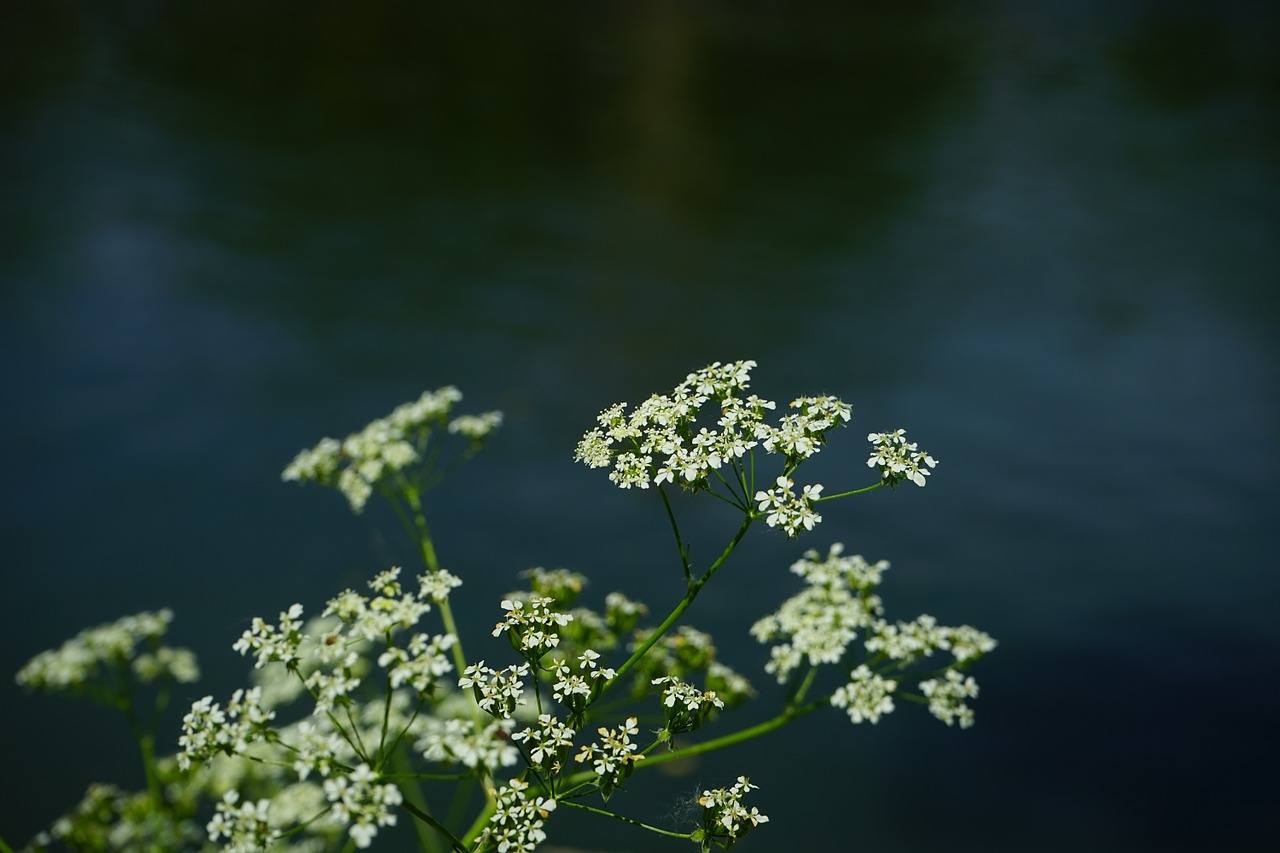
One of the most poisonous plants in the UK – here’s what everyone should know
Summer brings beautiful wildflowers across the UK, but not all of them are safe. Water hemlock (Cicuta virosa) is considered one of the most toxic wild plants found in Britain. Even a very small amount can cause severe poisoning.
Water hemlock typically flowers from July to August and grows to around 50–130 cm tall. It has white, umbrella-shaped flower clusters and is usually found in wet habitats such as ditches, riverbanks, marshes, and lakesides.
What makes this plant especially dangerous is that it can easily be confused with harmless members of the carrot family. Because of this, wild plants should never be tasted unless you are 100% certain of their identification.
Symptoms can appear as quickly as 15 minutes after ingestion, but most often develop within an hour.

Typical symptoms include:
Nausea, vomiting, and abdominal pain
Diarrhea
Dizziness and confusion
Severe convulsions, loss of consciousness, and breathing difficulties
Water hemlock thrives in wet environments such as riverbanks, ditches, and marshland edges. It is often identified by its hollow stem and distinctive, chambered root system.
If poisoning is suspected:
Remove any plant material from the mouth
Give a small amount of water to drink
Call 999 or contact the UK Poison Information service immediately
Other highly toxic plants in the UK:
Hemlock (Conium maculatum) – contains powerful neurotoxins
Foxglove (Digitalis purpurea) – can cause life-threatening heart problems
Yew (Taxus baccata) – needles and seeds are highly poisonous
Monkshood (Aconitum spp.) – among the most poisonous plants in Europe, even small amounts can be fatal
Comments (0)